A unit is only the beginning
Ask when stock arrives, how often it moves and who handles it. A customer storing cartons once a month creates a different operating pattern from one receiving deliveries every morning. Service expectations should be matched to staffing, loading capacity and the written agreement.
Define the boundary of responsibility
Pure space rental and operator-managed inventory are different promises. If the operator signs for a delivery, counts goods or retrieves stock, document the process and its cost. Track exceptions and ensure that insurance discussions reflect the actual activities.
An operational model
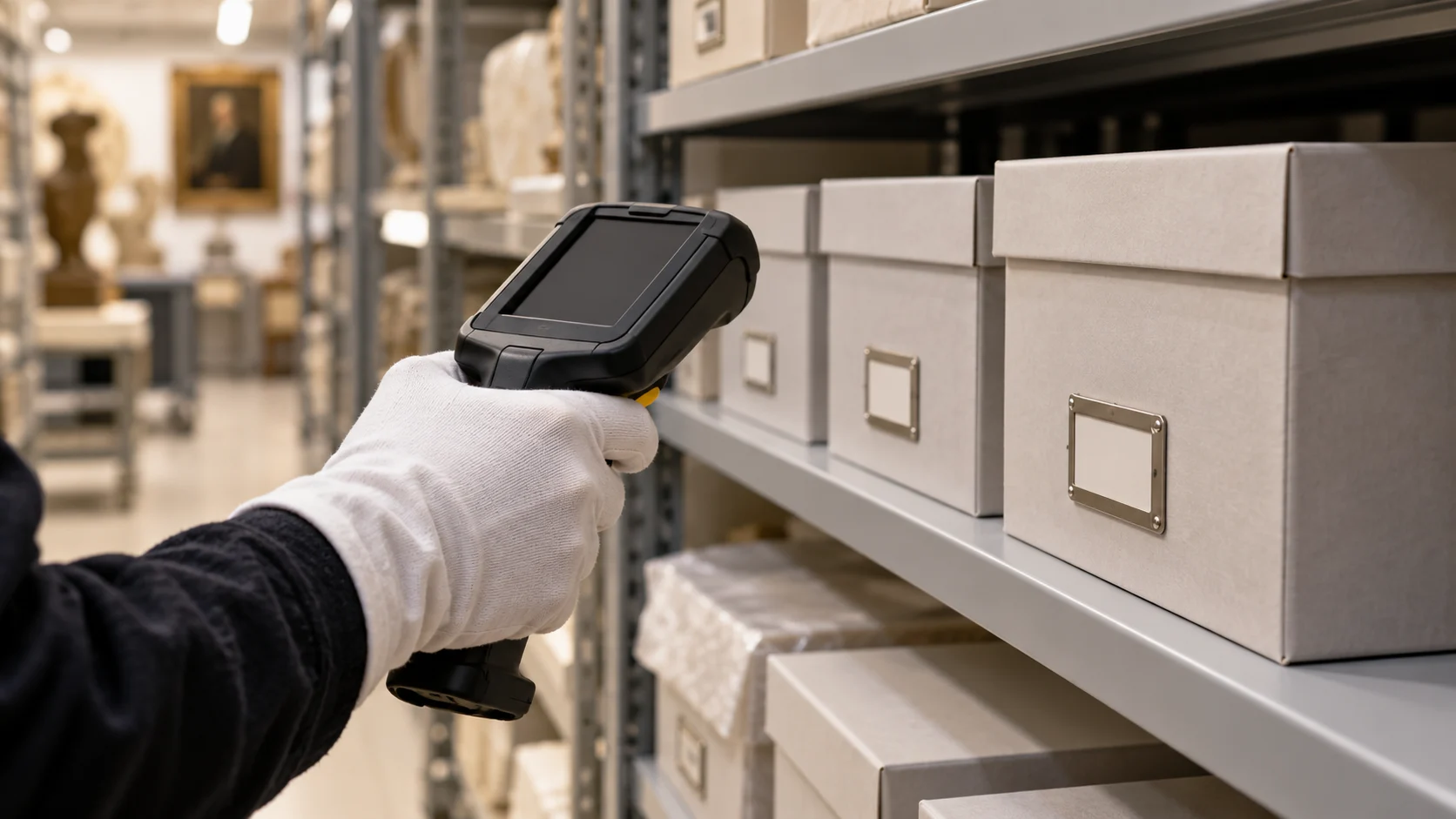
Analyse recurring space income separately from optional service income. Stress-test the loss of the largest customer and the staff time needed for a busy week. Do not treat every square foot as equally productive when loading and staging zones are essential. The displayed facility is conceptual.
Capital and cash flow
Allocate capital between basic rental space and any added handling, shelving or delivery capability. Model rent separately from service charges, with labour and equipment costs attached to the service that creates them. Test the loss of a large customer and the need for temporary staffing at the same time. Do not assume a commercial customer's longer intended tenancy eliminates arrears, turnover or concentrated vacancy.
The launch review
Confirm that the intended activities are allowed; space rental, receipt of deliveries and active order handling may create different requirements. Review the responsibilities accepted for stock, records and access with legal and insurance advisers. Determine the applicable tax treatment for each supply instead of treating all fees as identical. Launch with a clear goods policy, inventory exceptions process and named customer-service contact.
Who is this model for?
Small retailers, service firms and other businesses with permitted inventory and documented storage needs.



A practical path to investigate
- Describe the exact service and goods allowed.
- Interview potential customers about movement patterns.
- Review approvals and insurance for the proposed activities.
- Price each optional service independently.
- Model customer concentration and vacancy exposure.