Follow the item
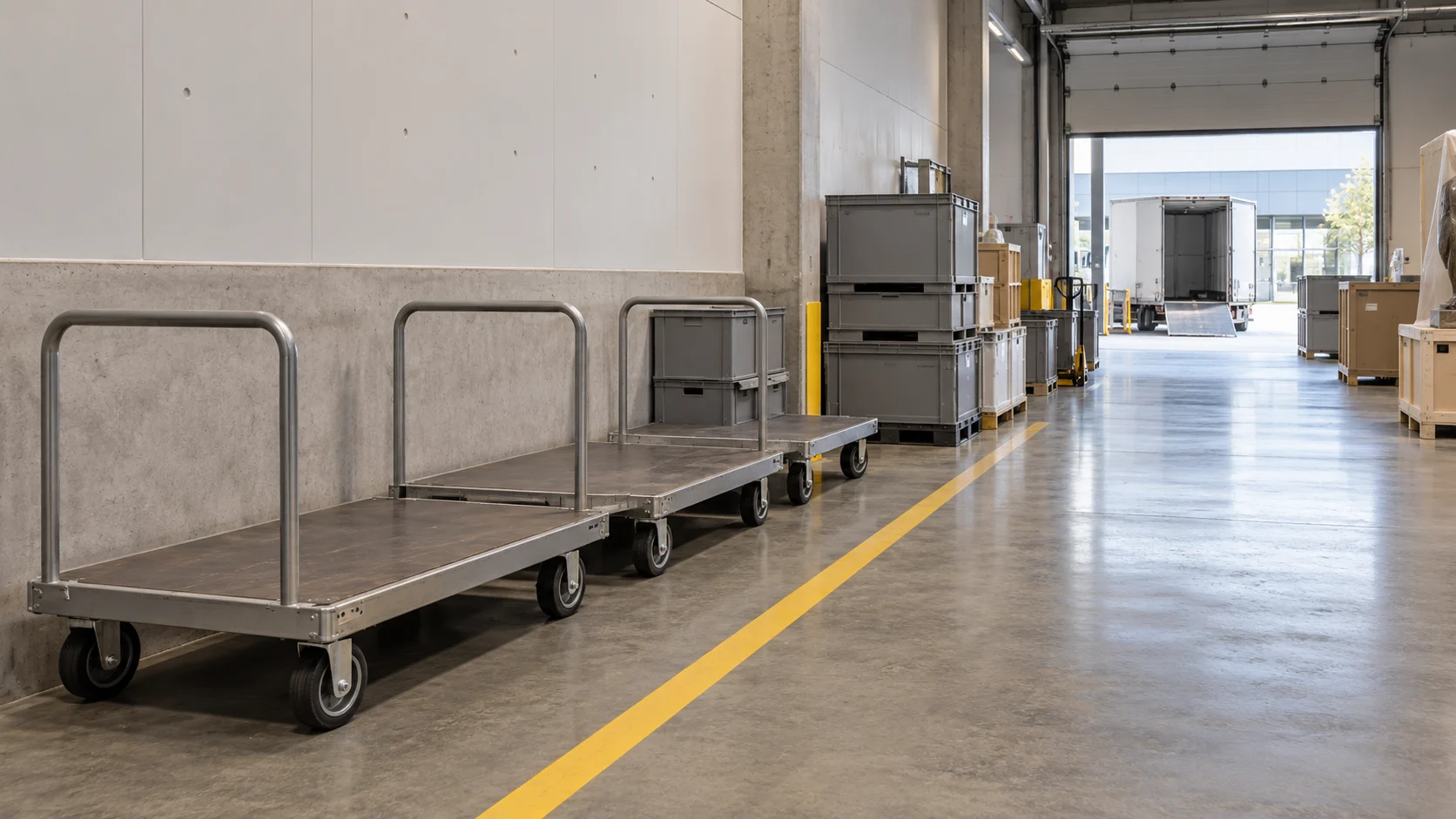
Document the journey from booking to collection, check-in, location assignment, retrieval and delivery. Each hand-off creates a record and a chance for error. A storage plan should reserve staging space for incoming and outgoing work, rather than counting the entire warehouse as long-term storage.
Measure work as well as space
A compact item with frequent retrieval can require more labour than a large item stored undisturbed. Estimate minutes per task and route kilometres alongside space usage. Track failed appointments and the time needed to resolve discrepancies.
Model the complete service
Separate recurring storage charges from collection, retrieval and other permitted service charges. Each revenue line needs its matching delivery cost. Stress-test route density and labour capacity before assuming additional orders improve cash flow. This is a concept, not a VAULTSPACE collection service.
Capital and cash flow
Model vehicles, handling equipment, inventory systems, fit-out and starting inventory of packaging separately from recurring wages and route costs. Compare owned transport with a documented contractor arrangement. Recurring storage fees, collection fees and retrieval fees each need their own price and cost assumptions. Test low route density, repeated failed appointments and staff absence alongside slower sales; revenue growth can increase the working-capital requirement.
The launch review
Review the actual custody, handling and transport services with legal, insurance and regulatory advisers. Define permitted goods, identification, condition recording and claims procedures. Confirm privacy arrangements for addresses and item records and assess tax treatment for the combined services. Pilot a limited workload, reconcile every item movement and evaluate the time spent resolving exceptions before committing to a broader collection promise.
Who is this model for?
Households and businesses that prefer collection and retrieval services to direct access to a rented unit.


A practical path to investigate
- Define the service area and collection promise.
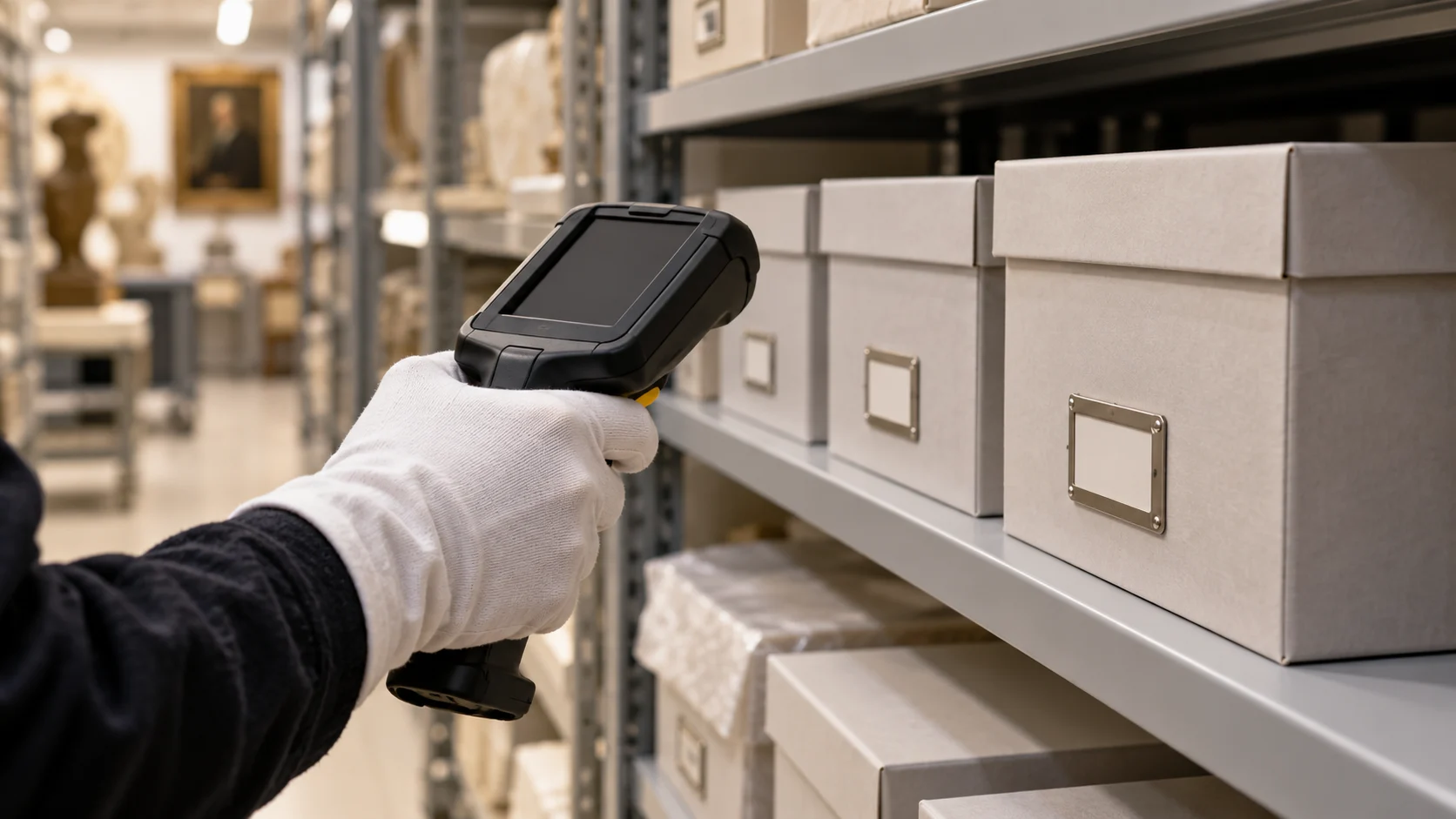
- Map every custody transfer and inventory event.
- Price routes, staff time and packaging.
- Review contracts, transport and insurance requirements.
- Pilot a small operational workload before scaling.